Artists and Technology Discussion
James Bloom, Alex May, Bronač Ferran
Title: Artists and Technology Discussion
Date: 15th April 2026, 18:00
Location: BCS Moorgate, London
James Bloom and Alex May debate the role of the artist amid automated, black box creativity. Bloom breaks reinforcement learning agents to expose the artificiality of progress, while May hand-codes algorithms to preserve the fragility of human memory, moderated by Bronač Ferran.
AI Generated Summary
Video Recording
Alex May and James Bloom discuss artistic agency within technological systems in a conversation hosted by Bronac Ferran. May approaches artificial intelligence through time, memory and the experience of making and viewing art. His algorithmic photography combines video frames, while images made through camera movement register the photographer’s physical presence. Blockchain editions explore how personal memories acquire shared stories and market value. In Memory Compression, deliberately compressed gradients reveal the visual fingerprints of algorithms that mediate digital recollection. Bloom introduces reinforcement learning artworks that transfer simulated animal movements into scanned human bodies, disrupting improvement through repeated failure. His blockchain works respond to owners’ transactions but obscure actions, creating awareness of others without conventional communication or reward. Another project transforms generative photographs into changing, networked environments shaped by viewers. Ferran draws out differences between stillness and continual transformation, alongside shared concerns about autonomy and accelerated technological change. Audience questions address commercial AI, authorship, semantic loss, technical processes and abstraction. Both artists value experimentation and engagement over merely reproducing an image. They distinguish useful assistance from shortcuts that bypass understanding, and question dependence on corporate platforms. Throughout, they seek human connection within technology without making technological novelty the centre of artistic meaning.
AI Generated Summary
About the Event
Move Fast and Break Things: Control, Progress and the Black Box
“Move fast and break things” was the mantra that defined a decade of technological acceleration - prioritising scale over consequence. In this joint talk, artists Alex May and James Bloom reclaim this phrase to debate the role of the artist in an age of automated “black box” creativity.
While both artists share a critical urge to dismantle the seamless interfaces of modern technology, their methods place them in direct collision:
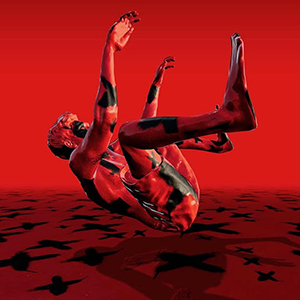
James Bloom (The Antagonist) fights the machine. He purposefully feeds Reinforcement Learning agents until they fracture, generating “functional provocations” that expose the artificiality of progress and the goal-seeking impulse. He breaks the system to reveal inherent weakness.
Alex May (The Architect) asserts radical control. By hand-coding his own algorithms from scratch, he rejects commercial engines to intimately preserve the fragility of human memory and time. He breaks the standard workflow to build poetic precision.
Join us for a lively discussion that moves beyond the standard artist talk into a debate on agency:
Should we dismantle the machine by taking it apart line-by-line, or by pushing it until it crashes?
About the Speakers
James Bloom

Alex May

About the Host
Bronač Ferran