Algorithmic Photography
Alex May
 Title: Algorithmic Photography
Date: 4th April 2024
Speaker: Alex May
Summary
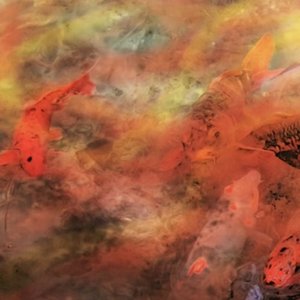
In Algorithmic Photography, Alex May describes a practice that merges computational tools with photographic capture to make images impossible to create on film. He begins by tracing the work's lineage back to Eadweard Muybridge's motion studies and Étienne-Jules Marey's chronophotography, then connects it to his own childhood fascination with stop-motion animation, experimental cinema, and early computing. His method is straightforward in principle yet technologically demanding: he records roughly five minutes of high-resolution video—about 7,500 frames—using a compact action camera, then runs the footage through custom OpenGL shader software he has developed over years. The algorithms decide, on a per-pixel basis, which values pass through each frame, selecting the lightest, darkest, most colourful, or otherwise defined pixels to build a single composite image. The results reveal trails of seagulls over Brighton Pier, ghostly crowds in Rome, and punters on the River Cherwell, transforming ordinary movement into painterly abstractions. May emphasises that the tool reshapes his way of seeing, turning the process into a slow, reflective digital darkroom practice. He also contrasts this physically grounded, experiential image-making with AI-generated imagery, arguing that artists can draw on technology across human history without owing allegiance to big tech platforms.
Generated by AI using kimi-k2.7-code (3rd September 2026).